
Brian Owler AM explains how the San’s new hybrid biplane neurosurgery theatre supports faster diagnosis, greater precision and advanced care.
When it comes to the brain, time is critical. For patients experiencing a stroke, aneurysm or another serious neurological condition, rapid assessment and timely treatment can make a significant difference to the course of care.
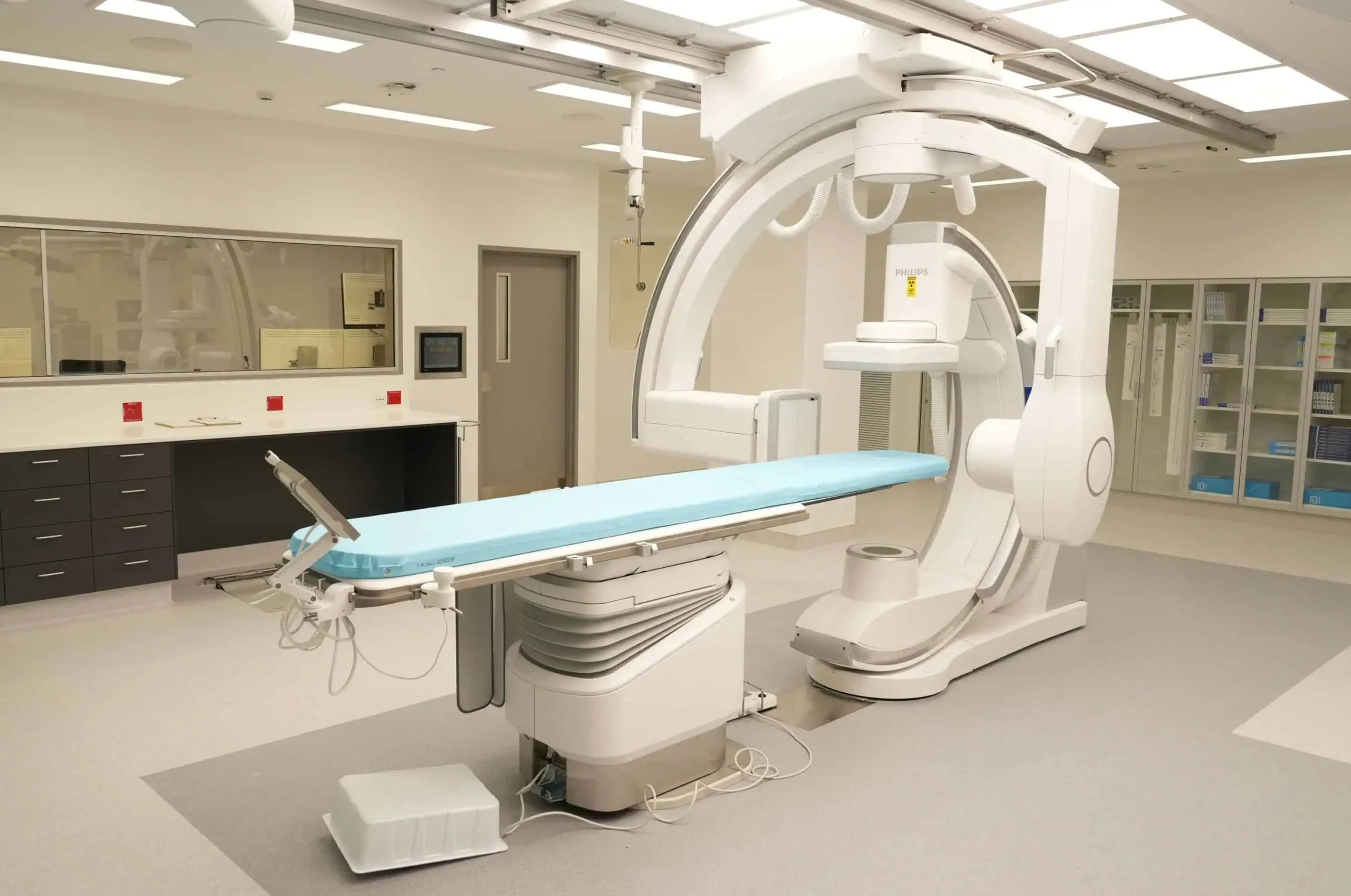
Sydney Adventist Hospital, known as the San, has launched a new hybrid interventional neuroradiology theatre described in official launch material as Australia’s most advanced neurosurgery theatre. The facility is also reported as only the second of its kind outside the United States.
For Clinical Professor Brian Owler AM, Head of Neurosurgery at the San, the launch represents an important step forward in the way complex neurological conditions can be diagnosed, planned and treated. The key advance is the combination of advanced biplane imaging with open neurosurgery capability in a single operating room, allowing clinicians to make decisions in real time and reduce delays caused by transferring patients between locations.
Biplane imaging is an advanced medical imaging system used in neurointerventional and neurosurgical care. It uses two X-ray sources and detectors to capture detailed views of blood vessels in the brain and spinal cord, helping clinicians visualise complex anatomy and guide treatment.
In practical terms, this means a treating team can see the relevant blood vessels, soft tissue and blood flow in real time from more than one angle. This can be especially valuable in time-critical and technically complex conditions such as aneurysms, blood clots and other neurovascular problems.
At the San, this technology is integrated into a hybrid theatre. Rather than requiring imaging in one room and treatment in another, the theatre enables diagnosis and treatment to occur in the same specialised environment.
The San’s new theatre has been developed for patients with serious neurological conditions, including strokes and aneurysms. These are conditions where minutes matter, and where rapid access to imaging, clinical expertise and treatment options can be central to patient care.
The new hybrid theatre removes the need to transfer a patient between separate diagnostic and surgical spaces. This is particularly important in emergency and complex cases, where a patient’s condition can change quickly and the treating team may need to move from diagnosis to intervention without unnecessary delay.
Clinical Professor Owler described the clinical benefit as “faster diagnosis, greater precision and improved patient outcomes.”
For clinicians, the biplane system also supports confidence and accuracy during highly complex procedures. The ability to combine detailed imaging with surgical capability in one room may assist teams managing difficult vascular anatomy, urgent stroke presentations, aneurysm treatment and other advanced neurosurgical cases.
Clinical Professor Brian K. Owler AM is a Sydney-based adult and paediatric neurosurgeon with extensive experience in cranial and spinal neurosurgery. His clinical interests include brain and spine tumours, spinal disorders, hydrocephalus and other cerebrospinal fluid circulation disorders.
Professor Owler is Head of the Department of Neurosurgery at Sydney Adventist Hospital. He is also experienced in the management of brain and spine tumours, hydrocephalus, complex spinal conditions and functional neurosurgery.
Through this leadership role at the San, Professor Owler has been closely involved in communicating the clinical importance of the new biplane theatre and what it means for both patients and treating teams. His comments at the launch focused on the real-world benefit of bringing imaging and neurosurgical treatment capability together: faster decision-making, more precise intervention and a more streamlined pathway for urgent neurological care.
In many neurological emergencies, diagnosis is only the first step. The treating team must also understand the patient’s anatomy, identify the cause of the problem, determine the safest treatment approach and, where appropriate, intervene quickly.
A biplane hybrid theatre is designed to support this process. The imaging technology provides detailed real-time information, while the theatre environment allows the treating team to act within the same room. This integration is one of the reasons the new San facility has been described as a major advance in neurosurgery and stroke care.
The APHA coverage notes that the purpose-built facility is located alongside on-site emergency and neurological services, strengthening the hospital’s ability to deliver integrated care for stroke and complex neurological conditions.
For patients and families, the launch of the new theatre is about access to advanced neurological care close to home. The San’s coverage highlighted that the theatre will help more neurological patients be treated on site and reduce the need for urgent transfers.
It is important to note that not every patient will require care in a biplane hybrid theatre. Treatment decisions depend on the diagnosis, urgency, anatomy, symptoms, overall health and the clinical judgement of the treating team. However, for suitable patients, the availability of this technology may provide an important additional option in complex and time-sensitive situations.
For anyone experiencing possible signs of stroke, this remains an emergency. Healthdirect Australia advises calling triple zero immediately for signs such as facial drooping, arm weakness or speech difficulty, because delay can lead to permanent brain damage or death.
The theatre was officially launched at Sydney Adventist Hospital on 1 April 2026, at an event attended by local dignitaries and opened by Member for Wahroonga, Alister Henskens SC MP.
The project also builds on the San’s recognition as the first private hospital in Australia to receive an Angels Award from the World Stroke Organisation, achieving gold status for excellence in stroke care.
For Professor Owler and the neurosurgical team, the biplane theatre is more than a technology upgrade. It reflects a broader commitment to timely, precise and coordinated neurological care — particularly for patients facing some of the most urgent and complex conditions affecting the brain and nervous system.
General information disclaimer: This article provides general information only and should not be used as a substitute for individual medical advice. Patients should speak with their treating doctor about their own diagnosis and treatment options. In an emergency, call triple zero.
